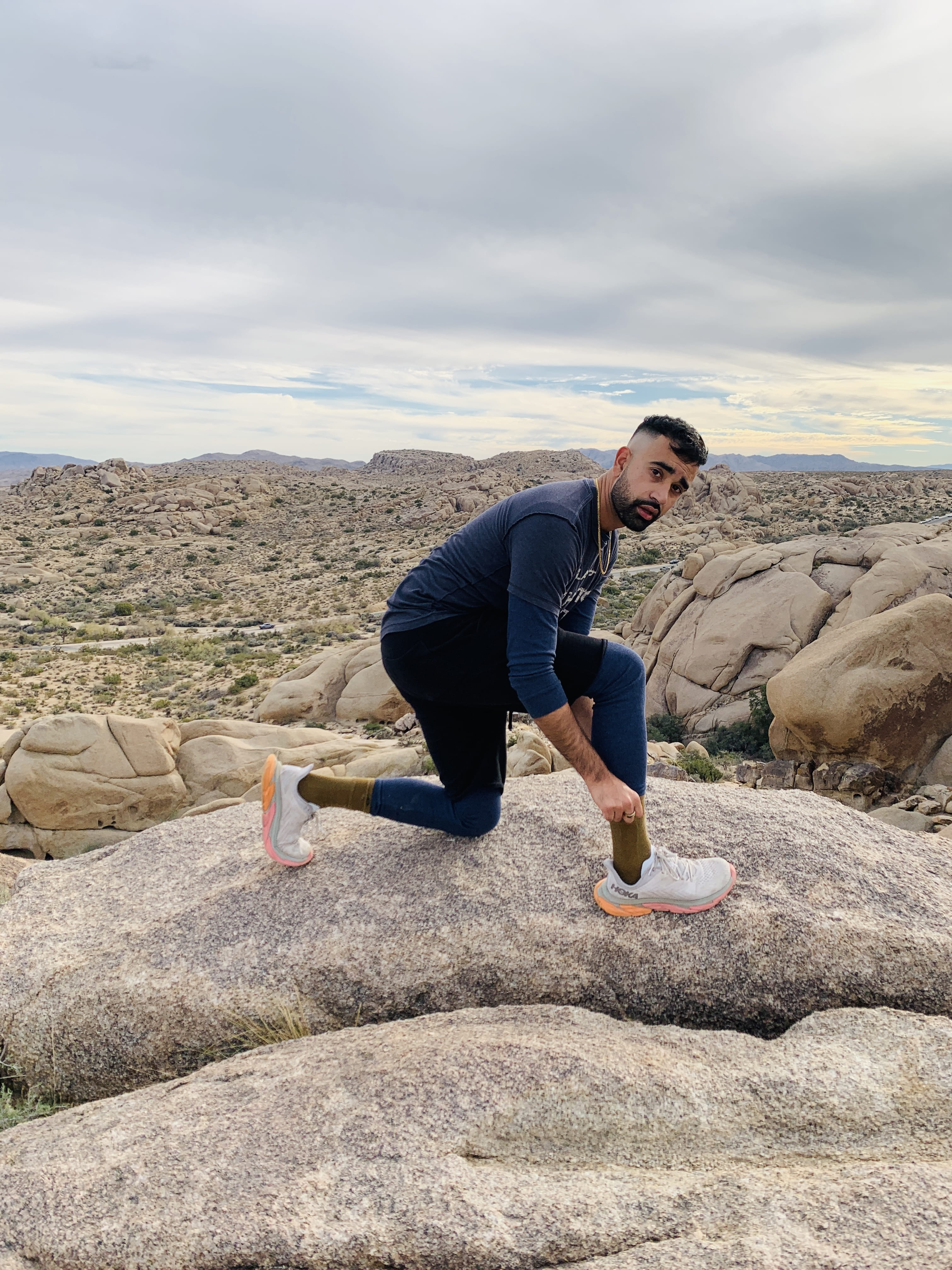
When I think about Lasso now, I think about the people.
The product matters. We made socks, and I cared deeply about what we were making. But the part that has stayed with me is the connection around it: people using the product, talking about it, and bringing other people into something they found valuable.
At the time, I was learning how to build a business. Looking back, I can see that I was also learning what a business is for.
There was more happening than a sale
A purchase is easy to count. It tells you that someone exchanged money for a product.
It tells you much less about what happened afterward.
Did they keep using it? Did it become part of their life? Did they tell someone because they wanted that person to have the same experience?
Those questions matter to me because they describe a relationship that continues after checkout. The sale is one moment in it.
What worked at Lasso included community, connection, word-of-mouth, and a product people had a reason to keep using. I do not want to flatten all of that into a clever acquisition strategy. There were people on the other side of those numbers.
When someone recommends something to a friend, they are putting a little of their own credibility behind it. I think that deserves to be treated with care.
I wanted more room for the product and the people
I learned digital marketing while relying heavily on ads and outside expertise. There is a lot to learn, and it is easy for the machinery of finding customers to become the thing you spend all your time serving.
I wanted more room to focus on the product and the community.
Organic growth, word-of-mouth, and real conversations changed how I thought about that work. They brought a sense of freedom and control that I had been looking for. Growth could come from a relationship worth continuing, from someone having a useful experience and choosing to share it.
There is still effort involved. You have to listen. You have to make something people want to keep using. You have to follow through.
But I felt more connected to the purpose of the work when that effort was close to the people we were serving.
Community carries responsibility
I am careful with the word community because businesses can use it to describe almost any audience they want to sell to.
For me, it means there is something worth participating in. People receive value, form connections, and have a reason to care beyond the next offer.
That creates a responsibility for the business. If people trust you enough to bring their friends, you need to keep earning that trust. If the product becomes part of their routine, its quality matters long after the campaign that introduced it.
You cannot assume that affection for a brand will do the job of a good product. And having a good product does not remove the need to care about how people are treated.
The relationship includes all of it.
The lesson I carry into what I build now
I want the businesses I am part of to help people in ways that last.
That includes customers who stay because they are being served well, relationships that become more useful over time, and tools that give people more room to do the work they care about.
Money matters. A business needs to sustain itself to keep serving anyone. I also believe it should contribute something to society that makes its existence worthwhile.
That belief changes the questions I ask.
Alongside how many people bought, I want to know whether they were helped. Alongside how we reach the next customer, I want to know whether the current one has a reason to stay. And when someone tells a friend about us, I want to understand what we did to deserve that introduction.
Lasso gave me a way to see those things through a product people could put on and use.
We were selling socks. The part I keep thinking about is what happened between people because of them.